Recycling and Sustainability for Gardening Purley
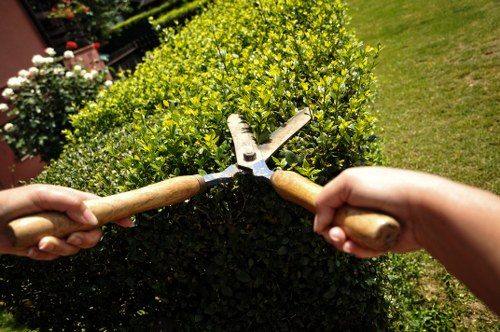 Gardening Purley is committed to creating an eco-friendly waste disposal area and a long-term plan for a sustainable rubbish gardening area across Purley and neighbouring boroughs. This page explains our recycling and sustainability objectives, the practical steps we take on the ground, and how we partner with local organisations to increase reuse, reduce landfill and promote green gardening. Our approach balances community gardening needs with a scalable waste strategy that supports borough-level waste separation schemes and local reuse networks.
Our recycling goals and targets
We set a clear recycling percentage target to drive progress: we aim to reach 65% recycling and reuse of garden and household waste by 2030, with interim milestones of 50% by 2027. These targets include composting of garden waste, expanded segregation of recyclables and diversion of bulky organic material to community compost hubs. Gardening Purley recycling efforts are aligned with municipal targets and emphasise measurable, verifiable reductions in residual waste.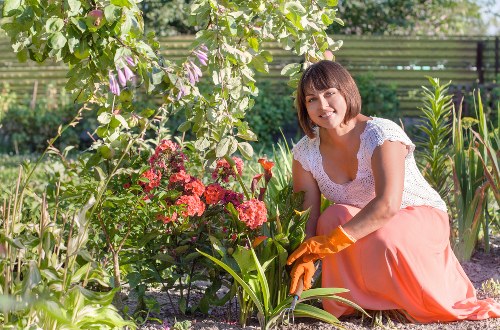
Working with borough waste separation systems
We support the boroughs' approach to waste separation, which often combines a three-stream model — dry recyclables, food & garden waste, and residual refuse — with targeted collection for bulky items. Our operations are designed to complement Croydon and neighbouring boroughs’ kerbside rules and transfer routing: by preparing materials correctly on-site, we reduce contamination and maximise the value recovered through local processing.To make the eco-friendly waste disposal area effective, we operate dedicated sorting points at community allotments and collection hubs. These sorting points prioritise:
- paper, card and mixed containers for municipal recycling;
- clean green garden waste for composting;
- wood, soil and inert materials separated for reuse or specialist processing;
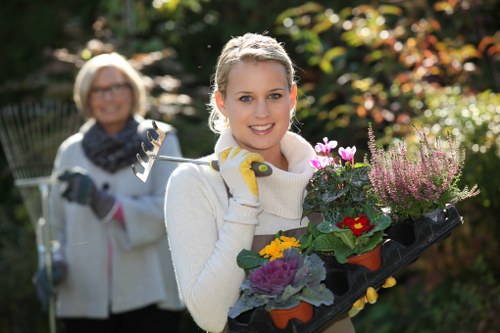 Our sustainable rubbish gardening area model emphasises reuse first. We work with repair and upcycling initiatives to keep timber, planters and tools in circulation. Where items are no longer serviceable, we divert materials to appropriate channels: organics to community compost, metals to scrap recycling, and inert debris to authorised transfer stations. This reduces the carbon footprint of disposal and turns garden waste into a resource for soil health and local projects.
Local transfer stations and processing are vital to our logistics. We coordinate with nearby transfer facilities in the Croydon and Sutton areas and use authorised depots that accept separated garden waste, wood, and mixed recyclables. By routing materials to the right transfer station, Gardening Purley waste helps achieve higher recycling yields and lowers the risk of mixed-load contamination that can send material to landfill.
Partnerships with charities and social enterprises are central to our reuse strategy. We partner with local charities, community allotments and reuse organisations to provide second-life pathways for tools, furniture and plant containers. These collaborations include donation drives, seasonal exchanges and coordinated collections that keep quality items in use and support community projects rather than sending them for disposal.
Low-carbon transport and operational efficiency
We are transitioning our fleet to low-carbon vans and optimized routing. Our vehicles include electric vans and hybrid models where feasible; we also employ route planning software and telematics to minimise mileage and idling. Using low-emission vehicles for garden waste collection and small-scale transfers significantly reduces the carbon intensity of our operations and supports the wider ambition of low-carbon gardening services in suburban areas.
Monitoring, reporting and community engagement
Transparency matters. We monitor weight and tonnage at collection and at transfer stations, and report progress against our recycling percentage target each quarter. Community engagement is part of the program: workshops, seasonal open days at compost hubs, and volunteer-driven sorting sessions improve separation quality and raise awareness. We publish progress summaries and work with local stakeholders to refine collection points and improve accessibility.In practice, our sustainable rubbish gardening area supports multiple circular outcomes: increased home and community composting, higher capture of recyclables from green space maintenance, and expanded reuse channels for durable goods. We emphasise cross-boundary cooperation so that Purley green recycling benefits from economies of scale with borough neighbours and shared transfer station capacity.
Practical measures we encourage include small-scale compost bays, dedicated wood and soil banks at allotments, and clear signage that mirrors borough waste separation categories. Gardening Purley sustainable waste signage helps residents and volunteers align with municipal guidelines, reducing contamination and improving recovery rates.
Our combination of ambitious targets, partnerships with charities and reuse organisations, collaboration with local transfer stations, and deployment of low-carbon vans forms a resilient strategy for an eco-friendly waste disposal area. By integrating Purley recycling best practices into everyday gardening activity, we aim to make the sustainable rubbish gardening area a community norm and a replicable model for other suburban green spaces.