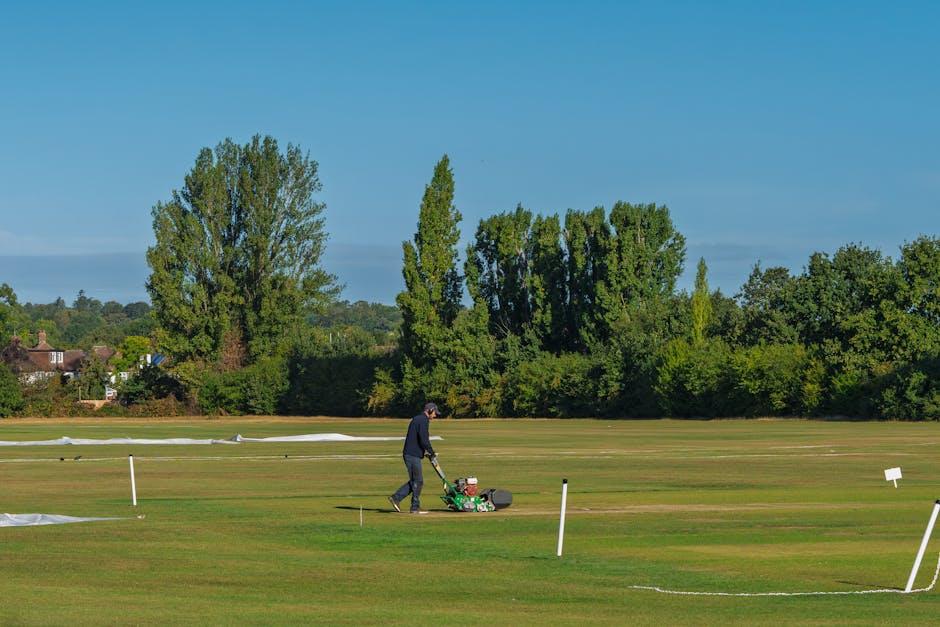
Kenley Aerodrome communal garden maintenance by Purley gardeners
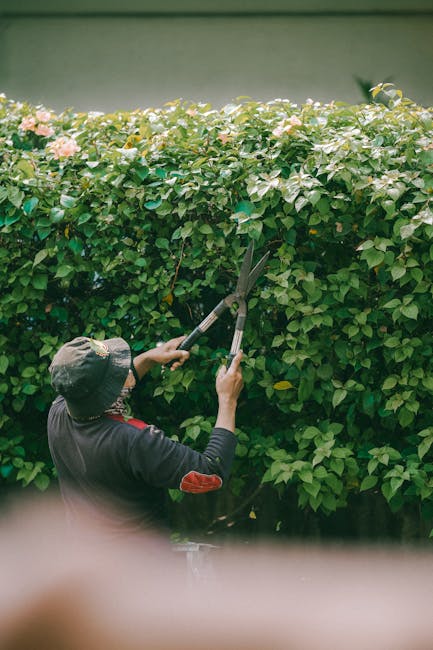
Shared green space can look effortless from the path, but anyone responsible for it knows the truth: communal gardens need steady, thoughtful care. With Kenley Aerodrome communal garden maintenance by Purley gardeners, the aim is not just to keep things tidy for a week or two. It is to create a safe, welcoming space that stays healthy, presentable, and easy to manage through the seasons. That matters whether the garden sits beside homes, flats, access routes, or shared outdoor seating. In practice, good maintenance makes the space feel cared for the moment people step outside.
This guide explains what communal garden maintenance involves, how Purley gardeners typically approach it, what problems it prevents, and how to judge whether the work is being done properly. If you are weighing up regular upkeep, looking at service options, or just trying to get a messy shared garden back under control, you will find a practical route through it here. And yes, some jobs really are more about consistency than drama.
Why Kenley Aerodrome communal garden maintenance by Purley gardeners Matters
Communal gardens are different from private gardens in one simple way: more people rely on them, and more people notice when they slip. A lawn that is a little patchy, a hedge that is starting to lean, or borders that have become weedy can quickly make the whole place feel neglected. In a shared setting, that has a knock-on effect. Residents may stop using the space, visitors may assume the site is poorly managed, and small issues can become stubborn ones.
For the Kenley Aerodrome area, a communal garden often needs maintenance that respects both practicality and appearance. That may mean keeping access routes clear, trimming planting so it does not encroach on paths, and ensuring seasonal growth does not overwhelm sightlines or seating areas. It is never just about "making it look nice". It is about making the space usable, safe, and pleasant to live with.
There is also a social side to it. Shared outdoor areas can quietly influence how people feel about a property or neighbourhood. A well-kept communal garden suggests care, coordination, and pride. A neglected one, frankly, can make even a decent building feel a bit tired.
If you are already thinking in terms of regular upkeep rather than one-off rescue work, it may help to review the wider approach to garden maintenance and the broader range of services overview offered for managed outdoor spaces.
How Kenley Aerodrome communal garden maintenance by Purley gardeners Works
The best communal garden maintenance starts with a sensible assessment. Before any cutting or clearing begins, a good gardener looks at what actually needs attention, how the site is used, and what priorities matter most. A shared lawn behind flats, for example, will have different needs from a planted courtyard or a long communal frontage.
A typical maintenance plan may include lawn care, hedge trimming, border weeding, deadheading, litter removal, pruning, seasonal tidy-ups, and light clearance. Some sites need more frequent visits during the growing season, while others benefit from scheduled monthly or fortnightly attention. The right rhythm depends on the garden's size, how quickly it grows, and how much use it gets. Simple enough, but easy to get wrong if no one is actually walking the site regularly.
In many cases, Purley gardeners working on communal spaces will also flag problems that sit just beyond routine maintenance. These can include damaged fencing, overgrown shrubs blocking light, awkward drainage, or areas that would benefit from longer-term landscaping adjustments. That is where maintenance and improvement start to overlap.
When the scope is broader than trimming and tidying, some sites use support from landscaping or more detailed landscape gardening to reshape the space so maintenance becomes easier in the first place. That is often the smart move, to be fair.
Key Benefits and Practical Advantages
There is a reason people keep returning to regular maintenance rather than sporadic tidy-ups. Shared gardens work better when they are cared for before problems multiply. The benefits are practical, visible, and usually immediate.
- Better first impressions: Neat edges, healthy planting, and tidy lawns help the whole property feel looked after.
- Safer shared access: Regular upkeep reduces the chance of trips, blocked paths, or hidden hazards.
- Less long-term work: Small jobs done regularly are far easier than a big seasonal rescue.
- Improved resident satisfaction: People use outdoor spaces more when they feel welcoming and well maintained.
- Healthier planting: Pruning, deadheading, and appropriate watering support stronger growth.
- Cleaner boundaries: Hedges, borders, and edges stay under control rather than spilling into communal areas.
There is also a quieter advantage that often gets overlooked: predictability. Residents and managers know what to expect, and that reduces frustration. Nobody likes wondering whether the garden will suddenly turn into a jungle after three wet weeks. Britain does like to keep gardeners on their toes, after all.
Where lawns are a major feature, a regular cutting schedule is often essential. If turf is left too long, mowing becomes harder and the finish suffers. In those cases, dedicated lawn mowing support can make a surprising difference to the overall feel of the site.
Who This Is For and When It Makes Sense
Communal garden maintenance is most useful when the outdoor space is shared by multiple households, tenants, leaseholders, or property users who all rely on the same area looking and functioning well. That includes apartment blocks, housing developments, mixed-use sites, managed estates, and smaller shared courtyards where no single person has the time to handle the lot.
It also makes sense when the garden has become a point of tension. Perhaps one resident thinks it is "fine", another thinks it is an eyesore, and nobody agrees on who should do what. In that kind of situation, a professional maintenance plan can reduce noise and bring some order back into the picture. Not glamorous, but effective.
You may need this service if:
- the garden is shared and no one is fully responsible for day-to-day upkeep
- plants and hedges are beginning to obscure paths, windows, or entrances
- the lawn is thinning, uneven, or generally hard to manage
- rubbish, leaf build-up, and seasonal debris keep returning
- the site needs regular presentation for residents, guests, or customers
- you want a maintenance plan that is more cost-effective than repeated emergency clear-ups
Where growth is particularly dense or the garden has been neglected for a while, it may be sensible to combine routine care with garden clearance so the space can be reset before ongoing maintenance takes over.
Step-by-Step Guidance
If you are arranging communal garden maintenance for the first time, the process is easier when you break it into clear stages. Here is a practical approach that works well.
- Walk the site properly. Look at the whole area, not just the obvious problem spots. Check entrances, corners, borders, drains, fences, and any places where people gather.
- List the priorities. Separate urgent issues from routine ones. For example, overgrown paths may come before ornamental pruning.
- Define the maintenance rhythm. Weekly, fortnightly, monthly, or seasonal visits each have different benefits. A busy site usually needs more frequent care.
- Set responsibilities. Decide who signs off work, who reports problems, and who communicates with residents or managers.
- Schedule seasonal tasks. Spring growth, summer mowing, autumn leaf clearance, and winter safety checks all need different attention.
- Review after the first visit. A good plan often needs a small adjustment once the gardener has seen how the space behaves in real life.
It is worth being a bit picky here. Good maintenance is not just about being "tidy". It should solve recurring problems. If the same patch of lawn keeps getting damaged, or one hedge grows back like it has something to prove, then the plan probably needs refining.
For edging, shrub shaping, and keeping shared sightlines open, regular hedge care is often part of the rhythm. If that sounds relevant, hedge trimming is one of the most useful supporting services for communal spaces.
Expert Tips for Better Results
A few small decisions make communal garden maintenance noticeably better. These are the sorts of things that experienced gardeners tend to spot early.
1. Keep the finish consistent. Mixed standards are what make shared gardens look messy. If one corner is cut back sharply and another is left soft and shaggy, the whole place feels uneven. A consistent finish matters more than most people realise.
2. Prioritise access before appearance. A beautiful border does not help if a path is awkward to use. Start with movement, visibility, and safety, then move on to detail.
3. Plan for growth, not just the current state. A shrub that looks fine today may block a path in six weeks. Maintenance is a forward-looking job.
4. Use the right frequency for the site. Some communal gardens need a light touch every week; others need occasional heavier visits. Getting the timing right often saves money in the long run.
5. Don't ignore waste handling. Clippings, leaves, and cleared material should be removed efficiently and dealt with responsibly. A neat garden that leaves a messy pile at the gate is not really neat at all.
One practical tip from the field: if residents often mention "it always looks worse after the weekend", that is usually a sign that the site needs more regular attention, not a bigger one-off job. Funny how that works.
For sites with trees, branches, or heavy growth affecting light and safety, maintenance may need support from tree lopping and removal. That is especially true where deadwood or low limbs create recurring problems.
Common Mistakes to Avoid
Communal gardens fail for predictable reasons. The good news is that most of them can be avoided with a bit of planning.
- Only reacting when things look bad: By then, maintenance is more expensive and less effective.
- Leaving nobody clearly accountable: Shared spaces need someone to coordinate the work, even if several people are involved.
- Using a one-size-fits-all schedule: A small courtyard and a large shared lawn are not the same thing.
- Focusing on mowing alone: Borders, hedges, leaves, and debris matter just as much.
- Ignoring resident use patterns: If people cut across the grass, gather near entrances, or park bikes near shrubs, maintenance should reflect that reality.
- Skipping seasonal changes: Spring and autumn usually bring different pressure points, and both need planning.
Another mistake is making the space too fussy. A communal garden should be durable and manageable, not delicate in a way that falls apart if someone walks through it with wet shoes. The best sites are easy to maintain because they are designed with use in mind.
For some gardens, a better layout or hard-wearing surface around seating and footpaths can help. That is where decking services may be worth considering alongside planting and maintenance.
Tools, Resources and Recommendations
Professional maintenance teams usually bring a mix of hand tools and powered equipment, chosen according to the job. For communal spaces, the exact kit matters less than how carefully it is used. Still, it helps to know what is typically involved.
| Task | Common tools or approach | Why it matters |
|---|---|---|
| Lawn care | Mower, edging tools, strimmer | Keeps shared grass areas tidy and walkable |
| Hedge and shrub work | Hedge trimmer, secateurs, loppers | Prevents overgrowth and improves shape |
| Border tidying | Hand weeding, cultivator, mulch | Reduces weed pressure and improves presentation |
| Seasonal clearance | Leaf rakes, bags, blowers where suitable | Stops debris from building up in paths and corners |
| Site safety | Gloves, eye protection, barriers, clear signage if needed | Helps protect residents and workers during maintenance |
Useful resources are not always fancy. A simple site map, a shared maintenance log, and a photo record can be more helpful than a pile of assumptions. If people have been arguing about "what was done last time", the paper trail settles things quickly.
From a planning point of view, it also helps to speak openly about budget and expectations early. That is why many people look at pricing and quotes before committing to a regular schedule. You do not need perfect numbers on day one, but you do need a realistic framework.
Law, Compliance, Standards, or Best Practice
Shared gardens may not always be legally complicated, but they do carry responsibilities. In the UK, good practice usually means keeping communal areas reasonably safe, well maintained, and suitable for their intended use. The exact obligations can depend on the type of property, ownership structure, lease arrangements, and how the site is managed. So, a cautious approach is best.
In practical terms, that means paying attention to trip hazards, slippery paths, blocked access, unstable branches, and overgrowth that could interfere with movement or visibility. It also means thinking about how work is carried out. Clear communication, careful use of equipment, and sensible scheduling help reduce disruption and risk.
Health and safety matters more in communal sites than many people expect. A gardener may be working around residents, children, delivery staff, pets, or passers-by. That is one reason a trusted provider should be able to explain its working methods plainly and calmly. You should know how they handle safety, waste, access, and insurance considerations before work begins. If that matters to you, look at the company's health and safety policy and insurance and safety information.
Environmental best practice is also worth thinking about. Reusing green waste where appropriate, reducing unnecessary vehicle trips, and choosing maintenance methods that support plant health all contribute to a more sustainable routine. For more on that side of things, see recycling and sustainability.
If you want to understand the organisation behind the service, it can also help to review the company's background on the about us page. Not because a page tells the whole story, obviously, but because it can show whether the business takes its work seriously.
Options, Methods, or Comparison Table
Communal garden upkeep is not one single model. Most sites fit into one of a few common approaches, and choosing the right one can make life much easier.
| Approach | Best for | Pros | Possible downside |
|---|---|---|---|
| Reactive tidy-up | Very small budgets or occasional catch-up work | Quick short-term improvement | Problems return fast |
| Scheduled maintenance | Most shared gardens | Predictable, neat, easier to budget | Needs coordination |
| Maintenance plus clearance | Overgrown or neglected sites | Resets the space before routine care starts | More upfront work |
| Maintenance plus landscaping improvements | Problematic layouts or awkward access | Can reduce future upkeep | Requires planning and investment |
In real life, the best answer is often a blend. A space might need an initial clear-up, some light landscaping to improve usability, and then a manageable monthly maintenance schedule. That is usually far better than expecting a single tidy-up to solve everything forever. It rarely does.
Case Study or Real-World Example
Picture a modest shared garden near Kenley Aerodrome: one lawn, a couple of mature shrubs, a narrow path, and a border that had slowly turned into a mixture of weeds, self-seeded growth, and forgotten leaves. Nothing dramatic at first glance. Just a bit tired. But the residents had started avoiding the seating area because it felt cramped, and the path edge was beginning to disappear under growth after a damp spell in early spring.
A practical maintenance plan started with a clear site reset. The worst debris was removed, the border was cut back to sensible proportions, and the lawn was edged properly so the shape of the space came back into view. After that, the site moved onto a regular schedule: lawn care, hedge trimming, seasonal tidying, and quick checks for anything blocking access. The change was not flashy. It just made the garden feel open again.
What made the difference was consistency. The garden did not need constant heavy work after that, because the upkeep matched the way the space actually grew. Residents used it more. The area looked calmer. And the maintenance team no longer had to spend each visit undoing months of drift. That is often the real win.
In some cases, a site like this also benefits from broader structural improvements. If the layout makes maintenance awkward, a redesign of borders, paths, or hard surfaces can reduce the workload significantly. That is where planning and practical gardening come together.
Practical Checklist
Use this checklist if you are preparing a communal garden for regular maintenance or reviewing an existing arrangement.
- Walk the full site and note every priority area.
- Identify safety issues, blocked paths, or hidden hazards.
- Decide how often the garden really needs attention.
- Separate routine tasks from one-off clearance work.
- Check whether lawns, hedges, borders, and trees all need different treatment.
- Confirm who is responsible for sign-off and communication.
- Ask how waste will be removed and handled.
- Review whether the current layout makes maintenance easier or harder.
- Look for recurring issues that may need landscaping rather than repeated patching.
- Make sure the plan fits resident use, not just appearance.
- Keep a simple record of what has been done and when.
- Reassess the schedule after the first few visits.
Small note, but an important one: if a communal garden keeps slipping back into the same mess, the answer is usually not "try harder next time". It is usually "adjust the plan".
Practical summary: the best communal garden maintenance is regular, proportionate, and realistic. It protects access, improves appearance, reduces conflict, and keeps the space useful for everyone who shares it. If the work is planned well, it quietly does its job in the background. Which is exactly what good maintenance should do.
If you are ready to discuss a tailored approach, explore the team's contact options and ask for a plan that fits the size, use, and condition of the site.
Get a free quote today and see how much you can save.
Conclusion
Kenley Aerodrome communal garden maintenance by Purley gardeners is really about making shared outdoor space work better for real people. Not just in spring, not just when visitors are due, but all year round. A well-maintained communal garden feels calmer, safer, and more inviting. It also saves time and stress later on, which is a pretty good trade in anyone's book.
Whether the need is a simple upkeep schedule, a more substantial tidy-up, or a combination of maintenance and improvement, the key is to act before the space drifts too far. Shared gardens respond well to steady care. They usually just need someone to notice the details and keep things moving. Quietly, consistently, properly.
And that, in the end, is what makes the difference between a garden people pass through and a garden people actually want to use.
Frequently Asked Questions
What does communal garden maintenance include?
It usually includes lawn care, hedge trimming, weeding, border tidying, leaf removal, light pruning, and keeping paths and access areas clear. The exact mix depends on the size and condition of the site.
How often should a shared garden be maintained?
That depends on how quickly the space grows and how much it is used. Many communal gardens do best with regular visits during the growing season and a slightly lighter schedule in winter.
Is communal garden maintenance different from private garden care?
Yes. Shared spaces need more coordination, clearer responsibility, and a stronger focus on access, safety, and consistent presentation because multiple people rely on the area.
What happens if the garden has been neglected for months?
It usually needs an initial clearance before routine maintenance can begin. Once the space is reset, regular visits become much easier and more cost-effective.
Can one-off garden clearance be combined with ongoing maintenance?
Absolutely. In fact, that is often the best way to handle an overgrown communal garden. A clearance visit gets the site back under control, then maintenance keeps it there.
Do communal gardens need different care in spring and autumn?
They usually do. Spring brings fast growth and frequent mowing, while autumn often means leaf clearance, cutting back, and preparing the site for wetter conditions.
Why is hedge trimming important in shared outdoor spaces?
Because hedges can quickly block paths, reduce light, and make a garden feel cramped. Regular hedge trimming keeps the space open and easier to manage.
How do I know if the garden needs landscaping instead of just maintenance?
If the same problems keep returning because the layout is awkward, the paths are poorly placed, or planting areas are hard to keep under control, landscaping may be the smarter long-term fix.
What should I check before hiring a gardener for a communal site?
Look at their experience with shared spaces, how they handle safety, how often they recommend visits, and whether their approach fits your site's actual needs rather than a generic schedule.
Is sustainability important in garden maintenance?
Yes, especially on communal sites where waste volumes and repeat visits can add up. Responsible waste handling, sensible pruning, and efficient scheduling all support a more sustainable routine.
Can maintenance help reduce resident complaints?
Usually, yes. A tidy, predictable maintenance plan reduces arguments about standards, improves the look of the site, and gives everyone clearer expectations.
What is the best first step if the shared garden looks messy right now?
Start with a full site assessment and decide whether you need clearance, ongoing maintenance, or a mix of both. From there, build a practical schedule that reflects how the space is actually used.