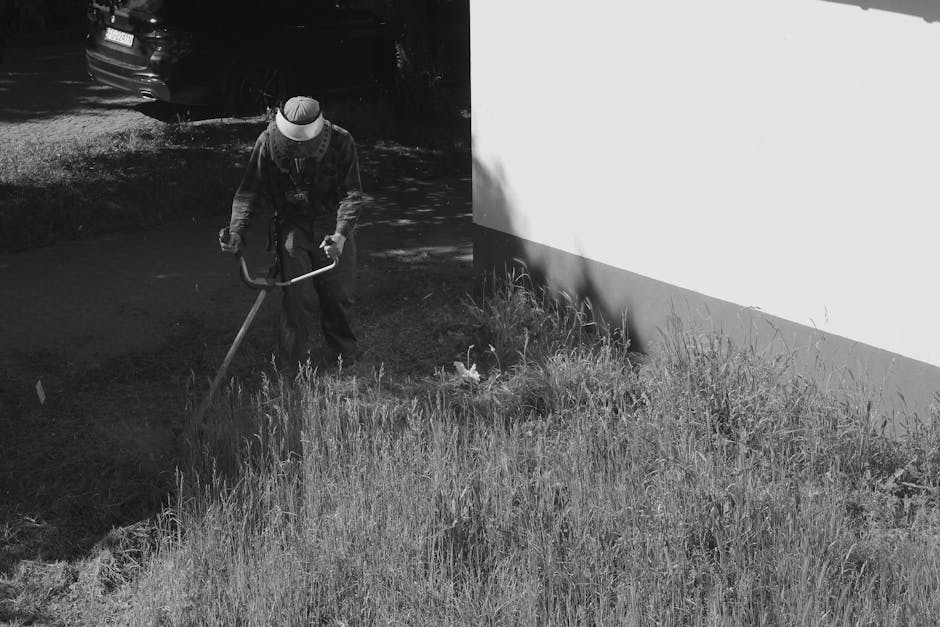
CR8 Garden Care Near Purley Station by Local Gardeners: A Practical Guide for Tidy, Healthy Outdoor Spaces
If you live near Purley Station and the garden has started to feel a bit out of hand, you are not alone. CR8 garden care near Purley Station by local gardeners is often less about dramatic makeovers and more about steady, sensible upkeep that keeps everything looking neat, healthy, and usable. One week it is a lawn that has shot up after rain; the next it is hedges leaning into the path or borders filling with weeds that seemed to appear overnight. Classic London gardening, really.
This guide explains how local garden care works, what to expect, who it suits, and how to choose the right level of help without overpaying or underbuying. You will also find practical steps, a comparison table, a checklist, and a real-world example to help you make a confident decision. If you want to understand the service before booking, you are in the right place.
Why CR8 garden care near Purley Station by local gardeners Matters
Gardens near Purley Station tend to face the same mix of pressures seen across much of South London: variable weather, compact outdoor spaces, busy schedules, and a steady build-up of routine jobs that get pushed to next month. Before you know it, the garden stops being a pleasant place to sit and starts becoming another thing on the to-do list. That is where regular garden care earns its keep.
Local gardeners bring two things that matter a lot: proximity and practical familiarity. They understand the pace of the area, the sorts of gardens found around CR8, and how quickly small tasks become bigger ones if they are left too long. A quick hedge trim now is easier than a hard reduction later. A bit of border attention now is easier than a full weed-and-replant rescue after a season of neglect.
There is also a simple quality-of-life point. A well-kept garden is easier to use, safer underfoot, better for wildlife in the right places, and far less stressful to manage. You do not need a perfect show garden. Most people just want it to look cared for, feel comfortable, and stay on top of the basics. Fair enough, too.
If you are comparing providers, it helps to look beyond a simple "mow and go" promise. The best approach is usually a broader service view, and that is where a helpful services overview can clarify what is included and what is not. That little bit of clarity saves a lot of back-and-forth later.
How CR8 garden care near Purley Station by local gardeners Works
In practice, garden care usually starts with a conversation about the current condition of the space, the main priorities, and how often the garden needs attention. Some homes only need a one-off tidy-up after winter or after a period away. Others need ongoing maintenance every couple of weeks, or even more often in peak growing months. It depends on the garden, not just the postcode.
A typical local visit may include grass cutting, edging, weed removal, hedge trimming, pruning, leaf clearance, border tidying, and a general reset of paths and visible areas. Some gardeners also help with planting, seasonal refreshes, small waste removal, and basic advice on keeping things manageable between visits. Nothing fancy required. Just sensible work done properly.
What makes local care different is the response time and the ability to adapt. If the weather turns and growth suddenly accelerates, a local gardener can usually adjust the schedule more easily than a large, distant contractor. And because they are nearby, you are more likely to get someone who understands the garden as it changes through the year rather than treating every visit as a one-size-fits-all job.
When getting started, the process is often straightforward:
- Describe the garden and the main problem areas.
- Agree whether you need a one-off job or regular maintenance.
- Ask what tools, materials, and waste handling are included.
- Confirm access, timing, and any areas to avoid.
- Review the quote and any follow-up recommendations.
A useful next step is checking how pricing, scope, and payment are handled before work begins. A clear pricing and quotes page is often a good sign that a business takes planning seriously, which is exactly what you want when comparing options.
Key Benefits and Practical Advantages
The value of good garden care is not just visual, though that is usually the first thing people notice. There are several practical benefits that make a real difference over time.
- Better curb appeal: A tidy front garden and clean edges make the whole property feel more looked after.
- Healthier plants: Pruning, weeding, and seasonal care reduce stress on shrubs, lawns, and borders.
- Less weekend catch-up: Regular maintenance prevents the "every job at once" feeling that can happen after a few missed weeks.
- Safer surfaces: Clearing slippery leaves, loose growth, and obstructed paths can reduce everyday trip hazards.
- More usable space: Even a small CR8 garden can feel bigger when it is organised and not overcrowded.
- Better planning: With local gardeners, you can often build a simple seasonal rhythm rather than reacting to problems only when they become obvious.
There is also a quieter benefit people forget: mental relief. You step outside with a cup of tea, see trimmed edges, and the whole place breathes a little easier. It sounds small, but it matters. Especially on those grey afternoons when the garden is half-light and the roses smell faintly sweet after rain.
For households that want ongoing help rather than a single visit, the best results often come from combining practical maintenance with reliable service standards. If that matters to you, it is worth reviewing the provider's approach to health and safety and insurance and safety so you know how they work in real conditions, not just on paper.
Who This Is For and When It Makes Sense
This kind of garden care is for a wide range of people, and that is one reason it is so useful. You do not need a large garden or a dramatic overhaul to benefit from local help.
It tends to make the most sense if you are:
- a homeowner who wants the garden kept tidy without devoting whole weekends to it;
- a landlord or property manager preparing a property for viewings or new occupants;
- an older resident who needs reliable help with the heavier or repetitive work;
- a busy commuter near Purley Station with little time for regular maintenance;
- someone returning from a period away and facing an overgrown, slightly neglected space;
- anyone who wants a predictable maintenance plan instead of emergency fixes.
There is a common misconception that garden care only matters once everything has become overgrown. Truth be told, that is usually the most expensive time to start. The earlier you act, the simpler the work tends to be. A border tidy now is a calmer job than a full seasonal rescue later on.
It also makes sense if you want one supplier to cover several small jobs over time. A well-rounded provider can help with different tasks as the garden changes, rather than forcing you to book separate contractors for every little thing. That flexibility is often what local customers actually want, even if they do not say it out loud.
Step-by-Step Guidance
If you are booking garden care for the first time, a simple process keeps everything tidy and avoids misunderstandings. Here is a practical way to approach it.
1. Walk the garden before you call
Look at the space in daylight and note the obvious jobs. Is the grass the issue? Are the hedges blocking light? Are the borders full of weeds or dead growth? A quick scan helps you explain the task clearly and stops the job from drifting.
2. Separate urgent tasks from nice-to-have jobs
Some things matter more than others. Safety, access, and plant health come first. Decorative reshaping, planting tweaks, or deeper cosmetic work can usually wait until the core jobs are under control.
3. Ask what is included
This part saves headaches. Ask whether the quote includes waste collection, disposal, pruning cutbacks, supply of materials, or return visits. Many misunderstandings are really just scope issues. Not glamorous, but very real.
4. Agree the right frequency
For some gardens, monthly maintenance is enough. For others, especially during spring and summer growth spurts, fortnightly visits work better. There is no magic number. The right frequency depends on how fast the garden grows and how neat you want it to stay.
5. Keep a simple record of what changes
It sounds a bit organised, I know, but even a few notes or photos help. If you notice one area recurring with weeds or a hedge becoming difficult to manage, say so early. Good local gardeners appreciate a client who gives honest feedback.
6. Review the garden after the first visit
After the first round of work, check whether the results match the brief. Were the key areas handled? Did the garden feel genuinely improved, or just tidied at the surface? That first visit tells you a lot about the working style.
If you are unsure who the team is, or want a better sense of the people behind the service, the about us page is useful for understanding the business background and approach. For a more direct route, the contact page helps you start the conversation without fuss.
Expert Tips for Better Results
Small choices make a big difference in garden care. The work itself matters, of course, but the timing and communication matter almost as much.
- Book before the garden is struggling: Early maintenance is cheaper, cleaner, and less stressful.
- Let the team know your priorities: If the front garden matters most, say so. If privacy is more important than appearance, say that too.
- Keep access simple: Clear gates, pathways, and any stored items that block the main work area.
- Choose seasonal work wisely: In spring and early summer, growth can take off fast. Autumn brings leaves. Winter needs a different rhythm. Gardens are annoyingly seasonal like that.
- Use maintenance to prevent bigger jobs: Regular hedge trims, border care, and lawn work usually cost less than recovery work after long gaps.
- Ask for realistic advice: A good gardener will tell you if a plant is failing, if an area needs rest, or if a better long-term fix exists.
One of the best signs you have found a decent local gardener is that they explain what will help the garden next, not just what they completed today. That is the difference between a quick tidy and actual care.
It is also sensible to check how waste and leftover green material are handled. If sustainability matters to you, a provider that explains recycling and sustainability practices is usually worth closer attention. Leaves, clippings, and cuttings should not simply vanish into the ether, after all.
Common Mistakes to Avoid
Most garden care problems are not dramatic. They are usually small misunderstandings, left to build.
- Being vague about the brief: "Just tidy it up" can mean ten different things.
- Waiting too long: Delaying routine maintenance makes simple jobs harder and more expensive.
- Choosing only on price: The cheapest quote is not always the best value if the scope is thin.
- Ignoring waste disposal: Garden waste adds time, labour, and sometimes extra cost.
- Forgetting access details: Locked gates, narrow paths, and fragile planting need a little thought.
- Assuming every garden needs the same treatment: A shaded courtyard, a family lawn, and a mature border all need different care.
Another mistake is expecting a one-off visit to solve a long-term issue completely. One session can transform the look of a space, yes. But if the garden grows quickly, or if the layout makes upkeep awkward, ongoing maintenance is often the smarter answer. Not exciting, maybe. Very effective, though.
Tools, Resources and Recommendations
You do not need to buy a shed full of tools to manage a garden well, but it helps to understand what professionals usually rely on and why.
| Method or Tool | Best For | What to Look For |
|---|---|---|
| Hand tools | Light pruning, deadheading, fine border work | Clean cuts, careful control, quieter work in tight spaces |
| Hedge trimmers | Regular shaping and tidy trims | Even finish, safe handling, suitable for hedge size |
| Lawn equipment | Routine grass cutting and edging | Clean lines, appropriate cut height, tidy finish at borders |
| Wheelbarrows and bags | Waste collection and movement | Efficient removal without damaging paths or planting |
| Protective gear | General safe working | Gloves, sturdy footwear, eye protection where needed |
For the homeowner, a few simple items can help between visits: a basic pair of secateurs, a watering can or hose if needed, a rake for leaves, and a clear storage spot for clippings or garden bags. Nothing overcomplicated. Most gardens do better with regular attention than with a shed full of expensive gadgets gathering dust.
It can also be helpful to understand how quotes, deposits, and payment terms work before you book. A straightforward payment and security page should give you confidence about the process, which is especially reassuring if you are setting up recurring work.
Law, Compliance, Standards, or Best Practice
For domestic garden care, the most useful thing to know is that reputable providers should work safely, communicate clearly, and handle waste responsibly. You do not need to become an expert in the legal side, but a few sensible expectations help protect both sides.
Best practice normally includes:
- clear written or confirmed scope of work;
- safe tool use and appropriate protective equipment;
- care around neighbours, shared boundaries, and access routes;
- proper attention to garden waste and site tidiness;
- reasonable protection of plants, surfaces, and property;
- transparent complaint handling if something goes wrong.
If a provider states how it handles complaints, insurance, or site safety, that is usually a positive sign rather than a box-ticking exercise. For example, a clear complaints procedure tells you there is a process if an issue arises, which is just good business practice. Likewise, a published terms and conditions page helps define expectations before work begins.
To be fair, most garden jobs go smoothly. But life happens. Weather changes. A branch is more awkward than it looked. A gate sticks. So having sensible policies in place is not overkill; it is part of professional service. And if accessibility is important for you or someone in your household, the accessibility statement can also be a useful point of reassurance.
Options, Methods, or Comparison Table
Different gardens need different approaches. If you are deciding between a one-off tidy, regular maintenance, or a more intensive refresh, this table may help.
| Option | Best For | Advantages | Limitations |
|---|---|---|---|
| One-off garden tidy | Overgrown or neglected spaces, pre-event prep, seasonal resets | Fast visible improvement, good for immediate impact | Does not stop the garden becoming messy again |
| Regular maintenance | Homes that want consistent presentation and easier upkeep | Prevents build-up, keeps growth under control | Requires a continuing budget and schedule |
| Seasonal visits | Gardens that only need work at key times of year | Good balance for lower-maintenance properties | May not suit fast-growing or high-use gardens |
| Targeted task visits | Specific issues like hedge cutting or border clearance | Flexible and focused | Less useful if the whole garden needs attention |
For many CR8 households near Purley Station, regular maintenance is the sweet spot. Not because it is flashy, but because it is efficient. A little now, a little later. That rhythm tends to work well in London gardens with limited time and space.
Case Study or Real-World Example
Imagine a small front and back garden near Purley Station that has slipped behind during a busy few months. The lawn is long, the hedge is brushing the path, and the rear border has weeds tucked between the perennials. Nothing disastrous. Just enough to feel slightly guilty every time you glance at it from the kitchen window.
The first visit focuses on the basics: grass cut, edges cleaned, hedge brought back into shape, weeds removed from the border, and the main paths cleared. The garden already feels bigger by the end of the session. More importantly, the owner can use it again without thinking about the jobs left undone.
The second step is to set a lighter maintenance rhythm. Instead of waiting until the garden is overgrown again, the gardener returns at a sensible interval to keep things from building up. The client stops feeling like they are constantly "catching up" and starts feeling in control. That difference is huge, honestly.
A useful part of that arrangement is the business side too. A client who understands the service details, payment terms, and quote process has a smoother experience overall. If you are exploring a provider, it is worth reviewing the company's services overview alongside the quote information so the practical expectations are clear from the outset.
Practical Checklist
Use this before you book CR8 garden care near Purley Station by local gardeners:
- Identify the main jobs: lawn, hedge, weeds, pruning, leaf clearance, or a full tidy.
- Decide whether you need one-off help or ongoing maintenance.
- Check access routes, gates, and any parking or entry notes.
- Separate urgent jobs from optional improvements.
- Ask what is included in the quote and what counts as extra work.
- Confirm how waste is collected and removed.
- Ask about insurance, safety, and complaint handling.
- Consider the best timing for the season and growth level.
- Make sure you can clearly describe any plants or areas that need special care.
- Review the service after the first visit and adjust the plan if needed.
Expert summary: The best garden care is usually the kind you hardly have to think about. It keeps the space neat, prevents problems from piling up, and gives you a garden that feels manageable instead of demanding. That is the real win.
Conclusion
CR8 garden care near Purley Station by local gardeners is really about making outdoor space easier to live with. Whether you need a quick tidy, a regular maintenance schedule, or help getting an overgrown garden back under control, local expertise brings speed, consistency, and a more personal understanding of what your space needs.
The best results come from clear communication, realistic expectations, and a gardener who knows the area well enough to plan around growth, weather, access, and the practical demands of everyday life. Start with the jobs that matter most, keep the brief simple, and build from there. That approach usually works better than trying to fix everything at once.
If you are ready to take the next step, get the details clear, compare the options properly, and choose the support level that suits your garden and your week. A tidy garden has a way of making everything else feel a little lighter. And that is no small thing.
Get a free quote today and see how much you can save.
Frequently Asked Questions
What does CR8 garden care near Purley Station by local gardeners usually include?
It commonly includes lawn cutting, edging, hedge trimming, pruning, weed removal, leaf clearance, and general tidying. Some services also cover waste removal and seasonal maintenance. The exact scope should always be confirmed before work starts.
Is a one-off garden tidy enough, or do I need regular visits?
If your garden is only slightly behind, a one-off tidy may be enough to reset it. If it grows quickly or you want it looking consistently neat, regular visits are usually better value over time. Most people end up preferring a steady rhythm once they try it.
How do local gardeners near Purley Station usually price garden care?
Pricing often depends on the size of the garden, how overgrown it is, the type of tasks needed, access, waste removal, and whether the work is one-off or recurring. A clear quote should explain what is included so you can compare fairly.
What should I ask before booking a gardener in CR8?
Ask what is included in the quote, whether waste removal is covered, how often maintenance is recommended, whether insurance is in place, and how any problems are handled. Those basics matter more than a flashy sales pitch.
Can garden care help if my garden is very overgrown?
Yes, but the work may take longer and cost more than routine maintenance. In overgrown gardens, the first visit often focuses on restoring access, reducing dense growth, and clearing the main problem areas before anything cosmetic is tackled.
Do local gardeners bring their own tools and equipment?
Most professional gardeners do, especially for common tasks like hedge cutting, pruning, and lawn care. If you have a specific concern or a delicate area that needs a manual approach, it is worth mentioning that in advance.
How often should a garden near Purley Station be maintained?
That depends on the garden's size, planting, and how fast it grows. Some need monthly attention; others benefit from fortnightly visits in the growing season. A gardener can usually suggest a practical frequency after seeing the space.
What if I only need help with hedges or weeds?
That is absolutely fine. Many people book targeted visits for specific jobs such as hedge trimming, weed clearance, or border resets. A focused job can be a very efficient way to keep the garden under control without committing to a full maintenance plan.
Should I check insurance and safety before hiring a local gardener?
Yes, that is sensible. Insurance and safe working practices help protect both your property and the people working on it. A professional provider should be open about these basics rather than vague or defensive.
How can I tell if garden care is good value?
Good value is not just about the lowest price. It is about whether the work is done properly, the scope is clear, the garden stays manageable, and you do not need to keep paying to fix the same problems. A steady, honest service often beats a cheap quick job.
What should I do before the gardener arrives?
Clear access paths, move fragile items, note any special plants or problem areas, and make sure the team can reach the main work zones easily. A little prep makes the visit smoother and usually improves the result, too.
Where can I find more information about the service and company details?
You can review the about us page, check the services overview, and look at the site's practical pages for pricing, payment, and policies. That gives you a fuller picture before you decide.